Alternatives in Pandemic Times: Resistance, Recovery and Re-Existence
Table of Contents
Alternatives in Pandemic Times: Resistance, Recovery and Re-Existence
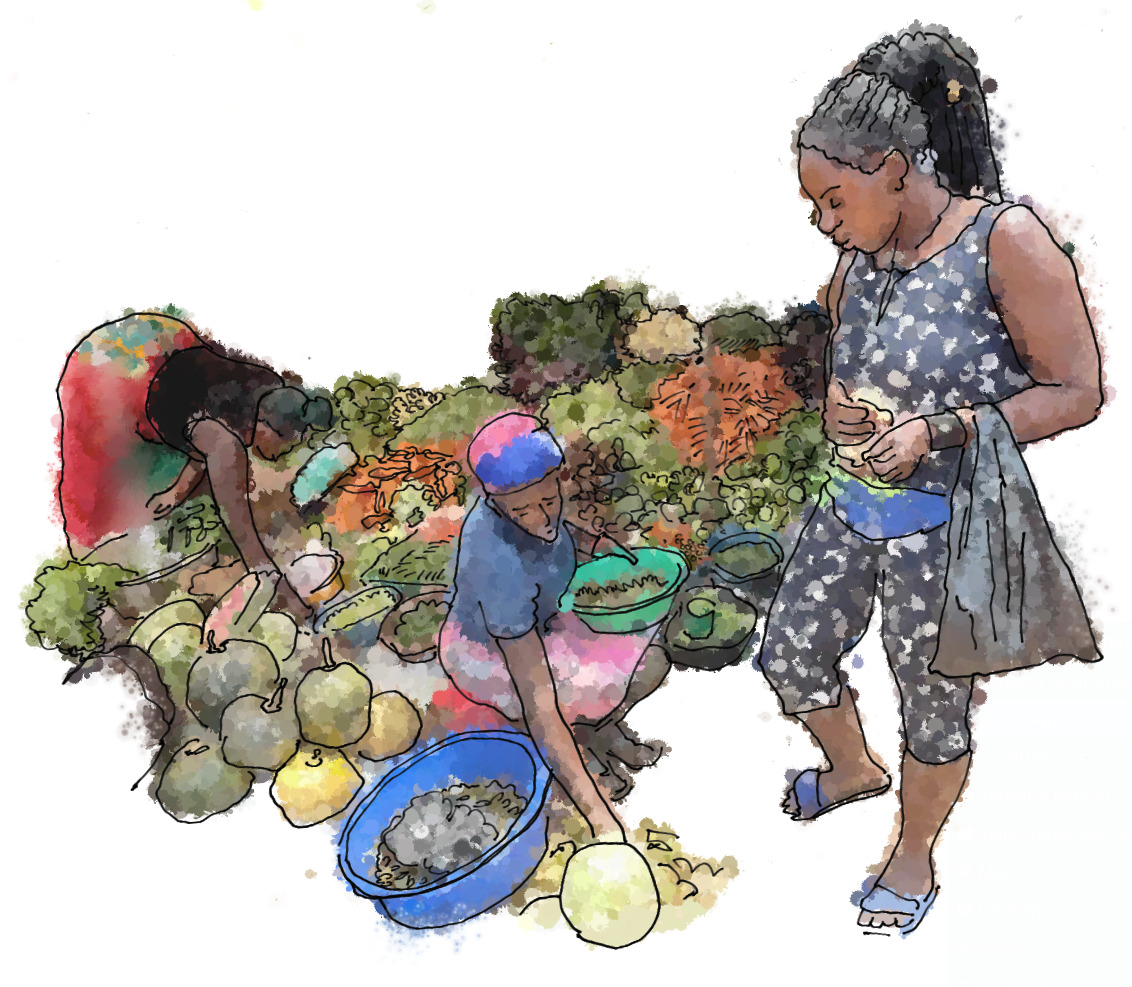
13/3 | Feminist Alternatives to the "New Normality"
Inspired by the work of community support networks of marginalized groups located on the peripheries of institutional power, the aim of this virtual assembly is to explore feminist alternatives to the new normality going beyond the State and policy recommendations.

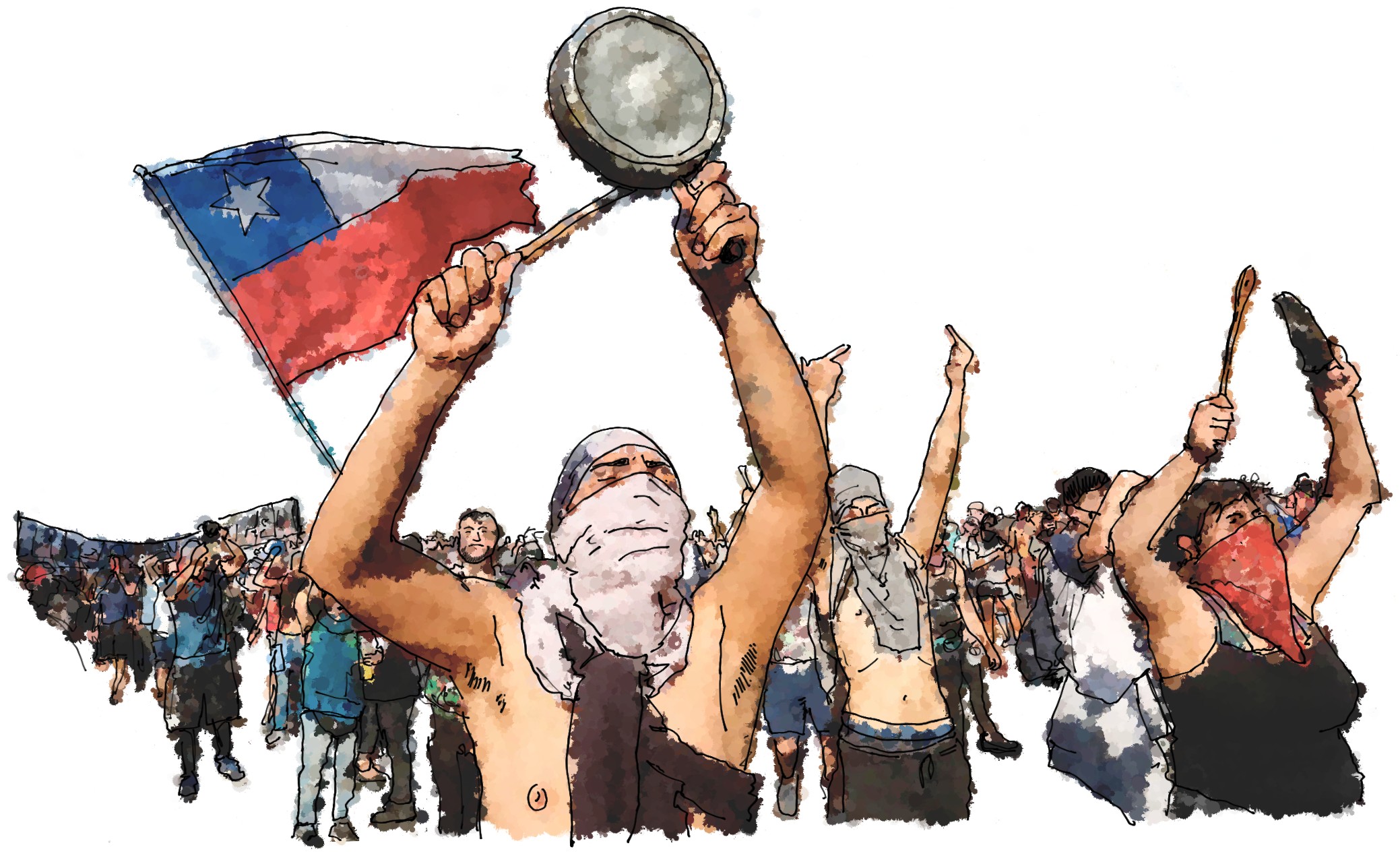
4/6 | The Covid Crisis in Chile and Community Alternatives from Below
In October 2019, Chile experienced one of its most significant uprisings. People demanded the end of neoliberalism, while hundreds of grassroots organizations and local assemblies emerged. During the Covid crisis, the Government's response has favoured the market over people, denying them basic social protection and food security. However, grassroots organisations are actively trying to tackle poverty with popular solidarity and mutual aid. In this webinar, we will explore some of these local experiences, their strategies, challenges and contributions to radical social transformation.
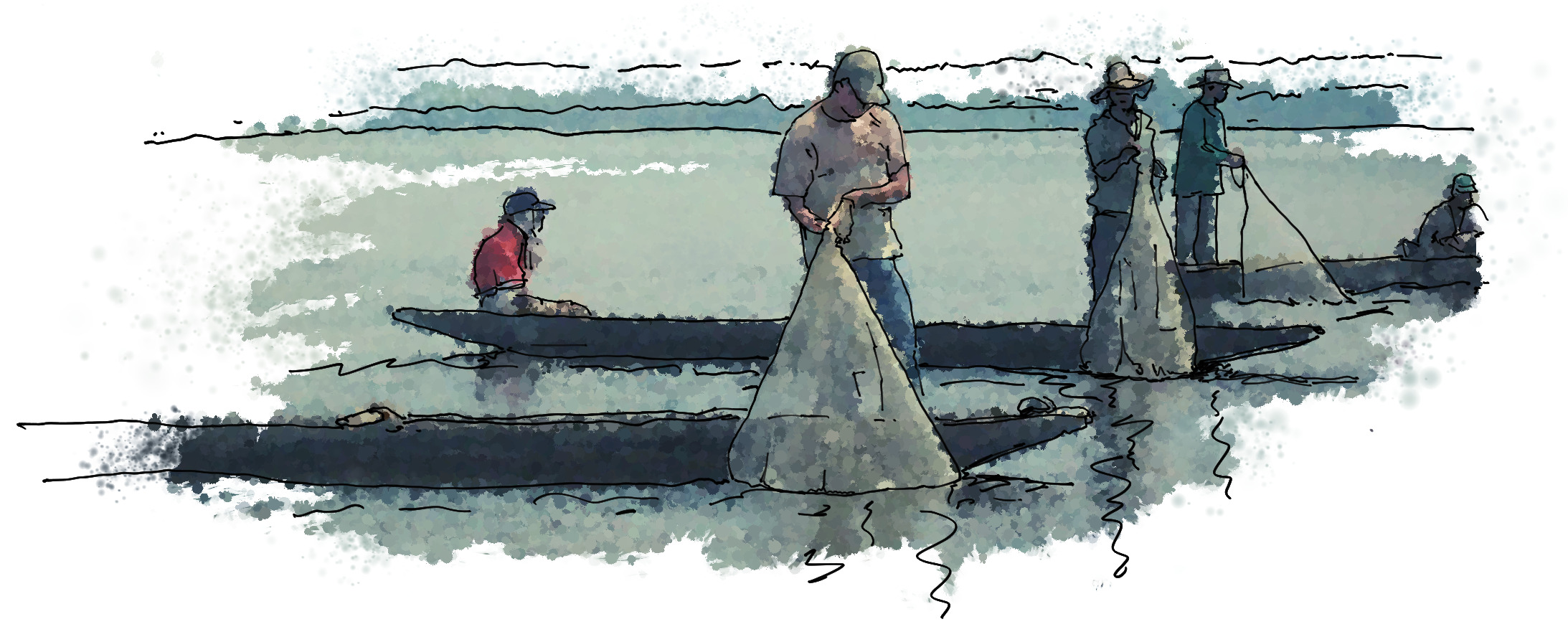
2/7 | Confronting COVID 19 with dignity and strength: Resilience of small-scale fisheries in Costa Rica
This webinar will share the experience of the association between CoopeSoliDar R.L and small scale fisher communities in Costa Rica in the defense of their rights to responsible, small-scale fisheries. In particular, the experience in the context of COVID 19 and how community resilience has been a result of collective action, community-based governance models, equity, and the innovation of a fair market. These aspects have guaranteed community livelihood security in a moment of great struggle, when traditional markets and tourism collapsed.
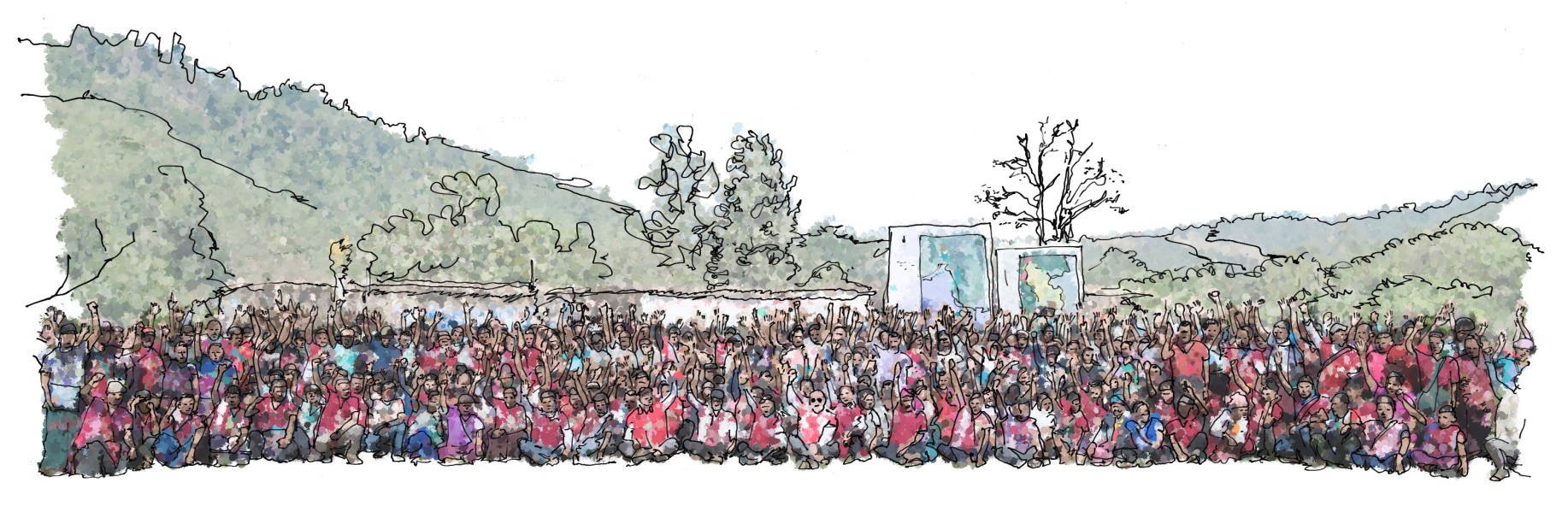
1/8 | Salween Peace Park, Myanmar: Strengthening Karen People's Resistance, Resilience and Response to Conflict and Covid-19 Crises
The Salween Peace Park is an initiative in Myanmar declared by Indigenous Karen people in December 2018 to bring peace, cultural harmony, self determination, and environmental integrity after 70 years of armed conflict in the region. However, the community continues to face threats from the Burmese military dictatorship. In this webinar, Saw Paul Sein Twa and Naw Wah Ku Shee talk about the experience of the Karen people working towards self determination, navigating a global pandemic, and facing a violent military offensive.
12/9 | Palestine's Beautiful Resistance: What it tells the world about building peace within
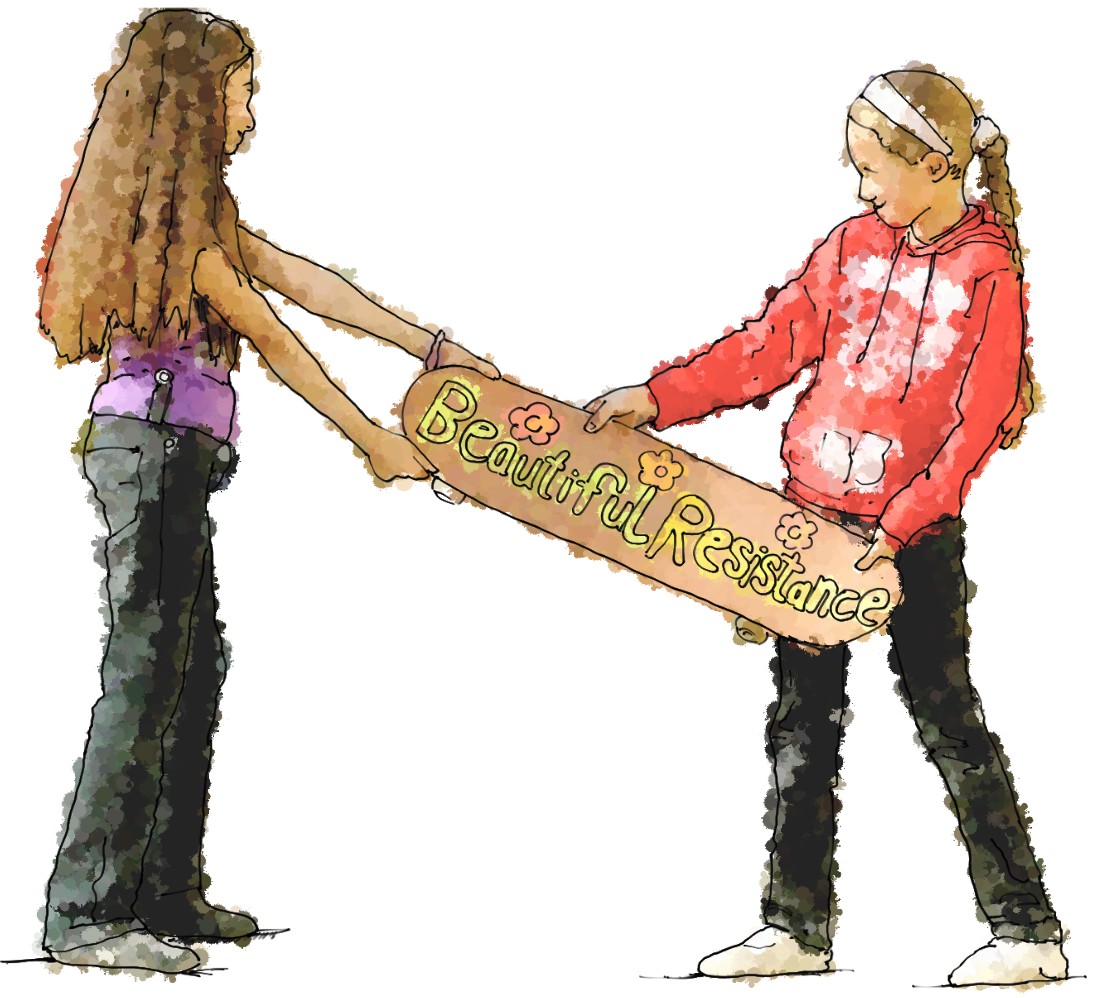
Beautiful Resistance emerges from Palestine as a concept and philosophy that aims to inspire hope and promote life through performing and visual arts as non-armed ways for peaceful and creative self-expression. It helps to build peace within individuals, in turn to become peace-builders in their community and beyond.
2/11 | Competing narratives for the future of agriculture in Africa
In this session, we will discuss about the competing narratives for transforming African agriculture/ food system. In the West, everyone has a solution for Africa. They propose a Green Revolution and other failing and destructive approach to food, agriculture, and the environment into Africa must be challenged. And it has been challenged. Agroecology is a realistic strategy for improving our nutrition, increasing production, enhancing biodiversity, raising resilience, and boosting farmer income.